
Civil Infrastructure & Liquid
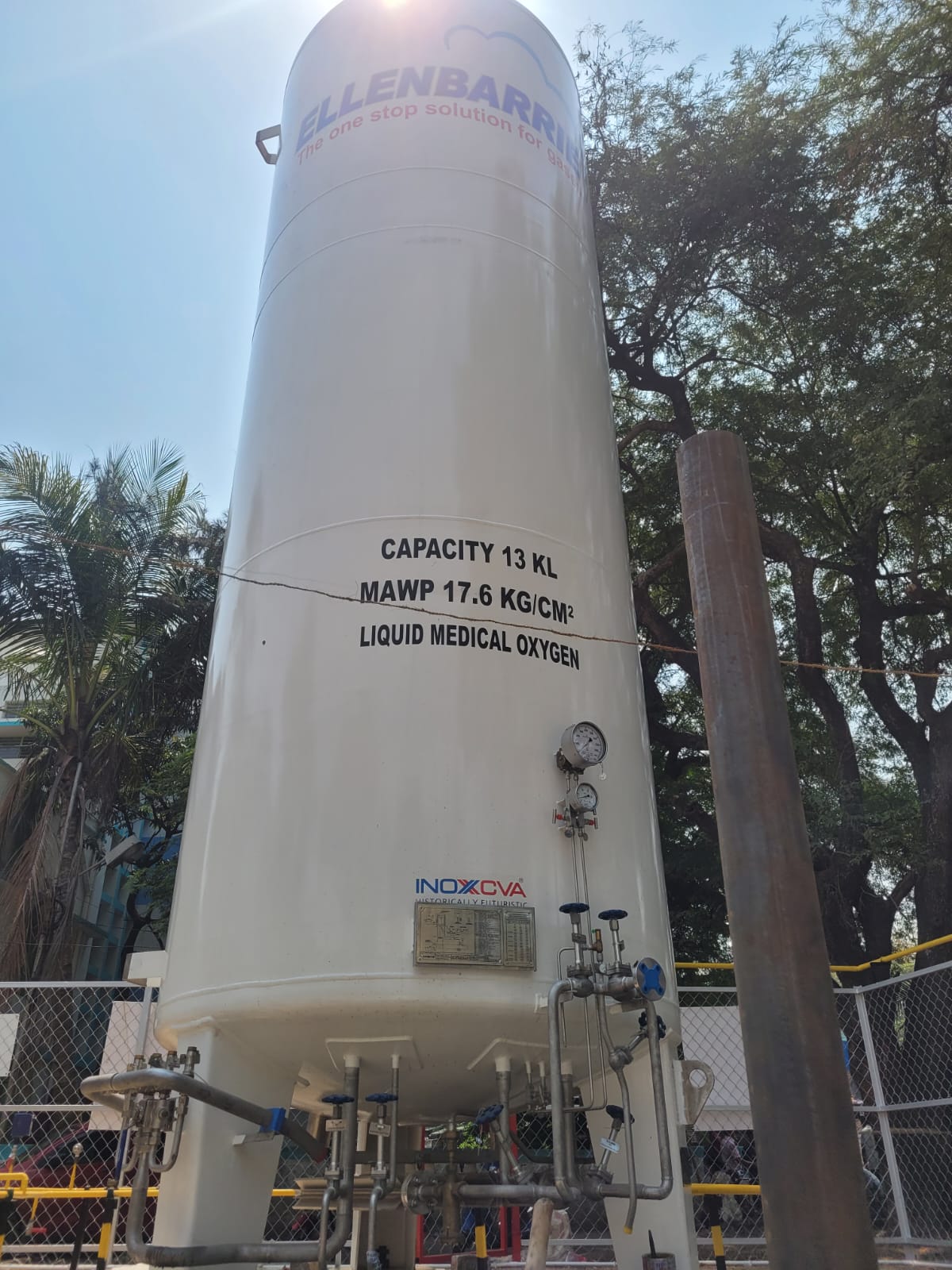
Turnkey Hospital Construction & Liquid Medical Oxygen (LMO) Installation
Civil Infrastructure & Liquid Medical Oxygen (LMO) Construction is the structural backbone of a hospital build — site work, foundations, LMO tank platforms, and the shafts and ducting other systems run through. K2 Healthcare delivers this the way a project management consultancy (PMC) runs any construction project: one team holding design, civil execution, Fire, MEP, HVAC, MGPS, and interiors, vendor coordination and regulatory sign-off together — except the building we hand back is a ready-to-operate hospital, not an empty shell waiting for its next contractor.
What’s included:
- Site assessment, structural design and civil construction for new hospital blocks and LMO yards
- LMO tank foundations and mounting platforms engineered to the tank manufacturer’s load and seismic specifications
- PESO (Petroleum and Explosives Safety Organization) licensing and liaison, including site-layout clearances for cryogenic oxygen storage
- Civil shafts, ducting and structural openings sized and positioned for MGPS pipeline routing, so gas lines are never retrofitted around a wall that’s already built
- Redevelopment and retrofit civil work for existing hospitals adding LMO capacity or expanding bed count
- Project management across every trade on site — civil, structural, MEP, HVAC, interiors and gas — under a single schedule and one point of accountability
The PMC way we run it:
- Design & Consult — We assess the site, size the LMO storage to the hospital’s bed count and oxygen demand, and finalise structural drawings with PESO’s layout requirements built in from day one, not fixed after a site inspection fails.
- Build — Our own site teams execute the civil work and tank foundations, sequenced against the MGPS and OT contractors working the same building, so nobody discovers a clash after concrete is poured.
- Compliance & Handover — We carry the PESO licensing application through to approval and hand over a civil structure and LMO yard that’s ready for tank commissioning — not a half-finished site waiting on another round of inspections.
Standards & compliance:
LMO storage and its surrounding civil work fall under PESO’s explosives and petroleum safety rules, and interface directly with the MGPS design standards — HTM 02-01 Part A and ISO 7396-1 — that govern how oxygen moves from tank to bedside. We design the civil and structural work to satisfy both sets of requirements together, rather than treating the tank pad as a separate job from the gas system it feeds.
Track record:
Structural civil work and installation for 2×21KL LMO tanks at Kalyan Singh Superspeciality Cancer Institute, Lucknow; a 15KL tank with a 12-metre structural steel overhead bridge at Haldia Port Trust Hospital; a 50KL LOX tank setup at the Jamalpur Railway workshop; and LMO tank installation across 5+ SDH, General and MCH campuses for WBMSCL in West Bengal. In 2025 we crossed 100+ KL of LMO tank capacity installed on a pan-India basis.
What does Civil Infrastructure & LMO Construction cover?
The structural and civil-engineering work a hospital needs before any medical gas or equipment system goes in — site work, foundations, LMO tank platforms, PESO-licensed storage yards, and the shafts and ducting that carry MGPS pipelines through the building.
Do you handle PESO licensing for LMO tanks?
Yes — end-to-end, from a site layout that meets PESO’s safety-distance rules through to liaison and approval, as part of the same project rather than a separate consultant’s task.
What’s the difference between this and hiring a civil contractor plus a gas vendor separately?
Neither a civil contractor nor a gas vendor is accountable for whether their work fits together. We run both under one project team — the PMC model — so any clash is caught on paper, not discovered on site.
Can you add LMO capacity to a hospital that’s already running?
Yes — several of the projects above are retrofit work, adding LMO tanks and civil capacity to live hospitals, sequenced to avoid disrupting wards already in use.